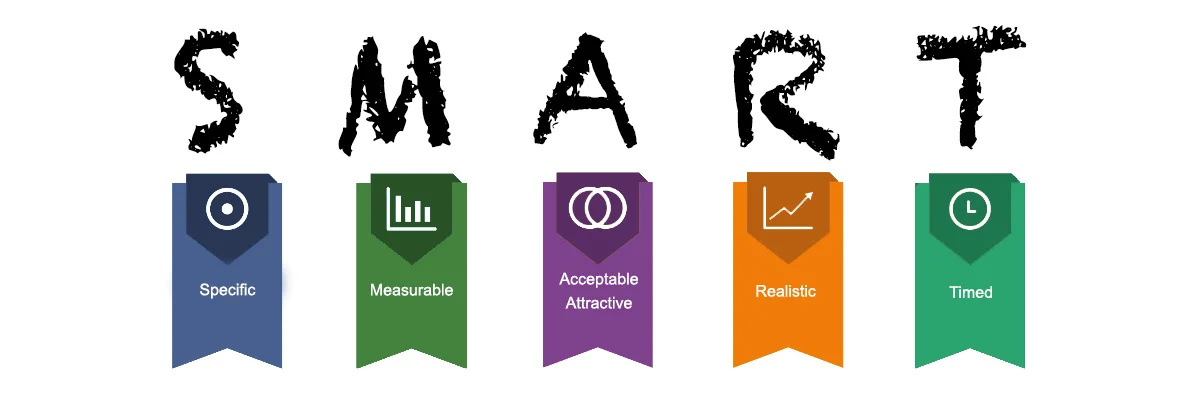
Remote communication works best when people know where to ask, what response to expect and who can decide. Older adoption percentages do not establish how your team should operate, and remote work does not automatically improve health, engagement or office costs. Start with the work and the people involved.
Agree availability and escalation
Write down normal contact hours, time zones, expected response windows and a route for urgent issues. Distinguish a routine message from an emergency. Make absence and handovers understandable without requiring constant online presence or unnecessary location tracking. Review these arrangements with the team and respect time away from work.
Make responsibilities and outcomes explicit
For each task, name an owner, the expected result, dependencies and a review point. Use a shared record that colleagues can access without repeatedly asking for updates. SMART can be a prompt for specific, measurable, achievable, relevant and time-bound objectives; it is not a guarantee of productivity or morale. Adjust priorities and resources when the workload cannot fit the available time.
Choose meetings for a purpose
Use a written update for information that does not need live discussion. When a meeting is useful, state the decision or issue, invite the relevant people and share material in advance. Agree the frequency and length of individual check-ins and reviews according to the role and situation. There is no universal minimum of 20 minutes or 1.5 hours that makes a meeting effective. Provide ways for absent colleagues to contribute.
Record decisions and support connection
After a discussion, record the decision, owner and next step in the agreed place. Make space for questions and confidential support. Social activities can be optional ways to connect, but should accommodate accessibility, caring responsibilities and time zones. Do not treat attendance at a social event or an annual gathering as proof of engagement or a guaranteed improvement in problem-solving.
Review the system together
Look at missed handovers, unclear ownership, repeated questions and meeting load, then ask the team what would help. Improve the process before adding another reporting tool. The ILO's 2020 teleworking guidance discusses clear expectations, manageable reporting and work-life boundaries; it is a historical practical reference, not current adoption statistics or a universal legal rule. Test changes and retain what serves the team.
Practical reference checked on 2026-10-10: ILO — teleworking guidance (2020)
The original illustration and its translated text are retained as historical material, not as proof of guaranteed results.