
Historical context (2021): the descriptions, roles, figures and plans below reflect the original publication, not current availability or policies. Check present terms directly with the organisations concerned.
It’s been about a year since the first wave of lockdowns swept the globe and many people have had a flexible work arrangement ever since. Most of those people actually much prefer working flexibly to the traditional 9-5 in the office. Employees now have more autonomy over when and where they work and employers can save huge amounts of money on office rentals.
There is also a third party benefiting from flexible work arrangements – our planet. In fact, carbon emissions decreased in 2020 due to there being fewer people driving during the CoVID-19 lockdowns. However, there is still room for progress. In this article, we’ll look at how flexible work arrangements have impacted our planet. Who knows, you might even get some creative ideas on how you improve your organization’s work arrangement!
The environmental impact of flexible work
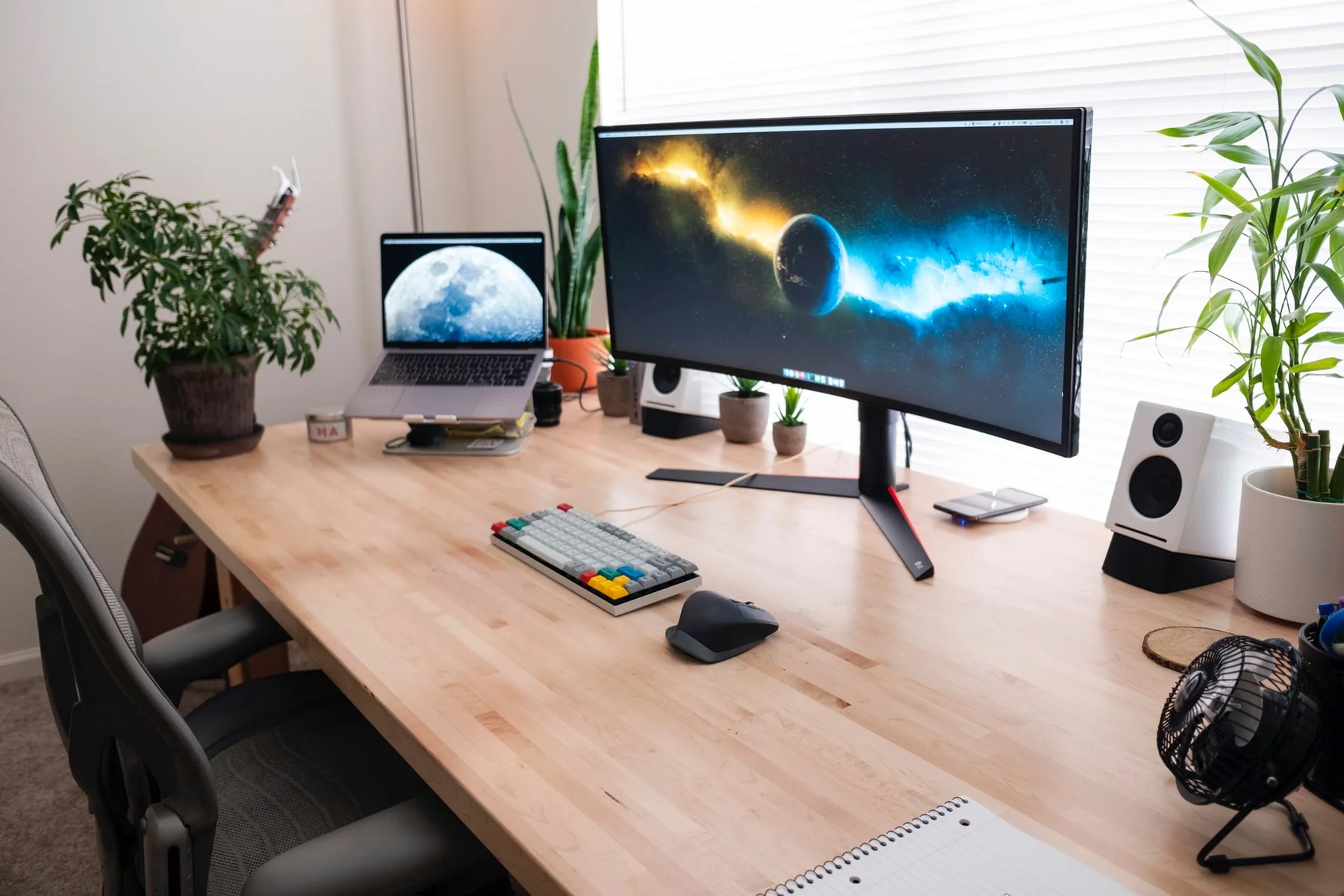
Remote working is an attractive option to many people as they will no longer have to deal with the dreaded commute to work. After all, all telecommuting requires is an internet connection! Not only does this save money, but it also saves a lot of time too.
The environmental result depends on travel and energy used at home and in offices. See Cornell’s 2023 research summary.
Coworking spaces with a green approach
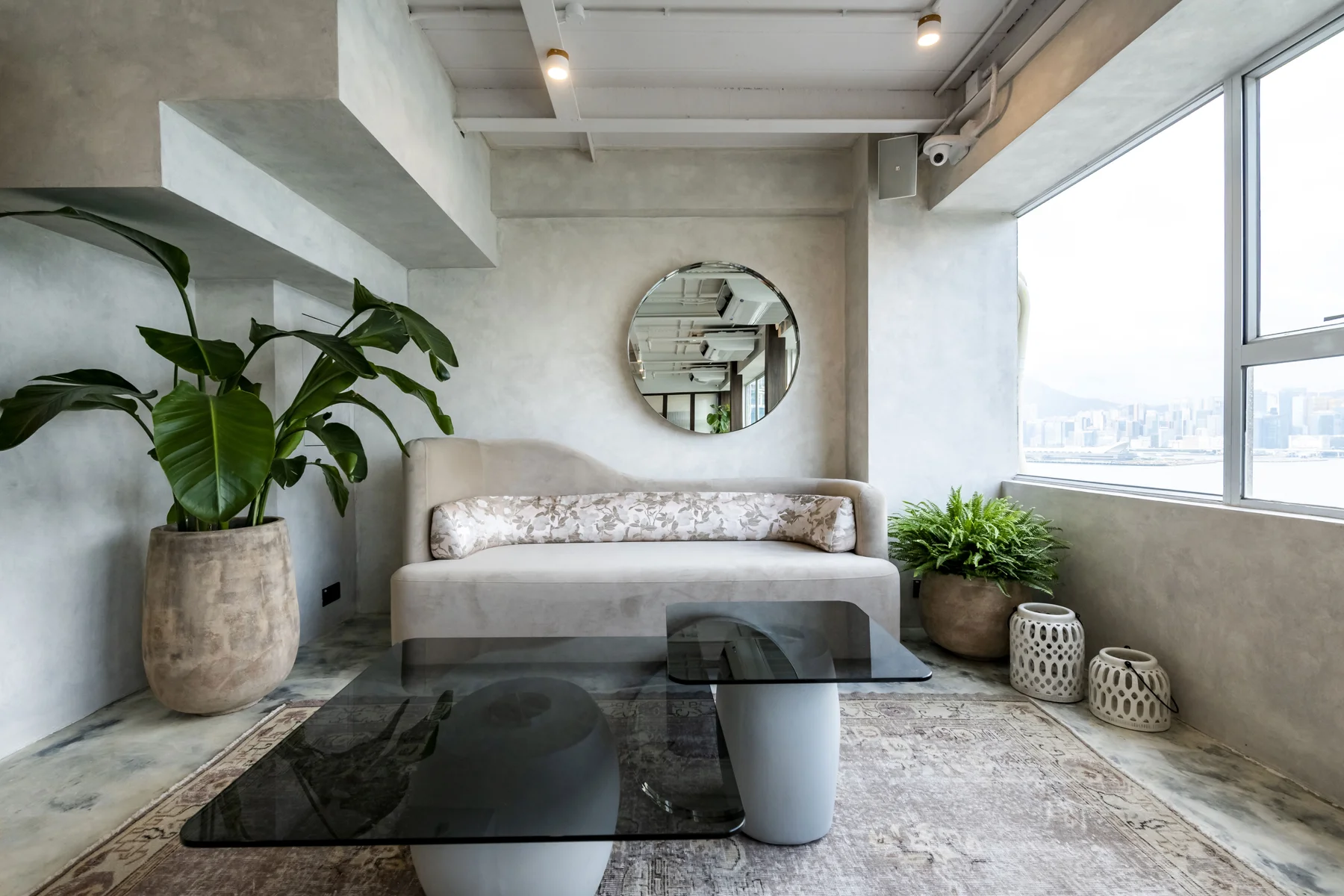
Coworking spaces are a great way for organizations to save costs on office rentals while still providing their employees with an office-like workspace that could be closed to their homes, again, making savings in transportation .In addition, most come with a whole host of perks and benefits you certainly would not find in a traditional office space. These include on-site cafes and restaurants, rooftop terraces, social events, free refreshments, etc. Some coworking spaces, however, go the extra mile and ensure they are as environmentally friendly as possible.
O2 Work stands out as a particularly green coworking space. Apart from the lush, elegant greenery that decorates the space, they have a number of sustainable practices in place. For example, the cutlery is all reusable, the furniture is made from eco-friendly materials, and their space is designed to encourage electricity and water saving. A green sanctuary in the concrete jungle of Singapore, it calls on the peace and tranquillity of nature to help you get in the right mindset for productive work.
Banyan Workspace in Hong Kong is another excellent example of a green workspace. This boutique shared office is luxuriously decorated and boasts a beautiful view of Kowloon Bay, certain to get anyone in a positive mood! All their furniture is made from eco-friendly materials and they’ve organized one of the largest recycling programmes in Hong Kong’s coworking industry. Plus, part of their revenue is donated to local NGOs – helping you give back to your community.
Making the workplace more environmentally friendly

Now that you’ve read a little about what others are doing in order to help Planet Earth, you’re probably thinking, well, what can I do? Telecommuting more often is one way, but there are actually plenty of day-to-day things you can do in the workplace to be a little more eco-friendly.
We’ve listed a few simple steps you can take here:
- Use your own mugs/cutlery/containers – Instead of using plastic cups at the coffee machine, bring your own mug and wash it. Instead of getting a takeaway in a plastic container, bring your own reusable Tupperware. This simple action will greatly reduce the amount of single-use plastic you throw away.
- Turn off all the lights every evening – Remind everyone to turn off all the lights, air conditioning, etc if they’re the last to leave the office. If part of the office is empty, turn the lights in that section off.
- Go paperless – Keep digital copies and archives of all your important documents. Communicate documents via email. Make notes directly on your computer.
- Keep a small potted plant on your desk – Not only does this make your office more green, but it will certainly brighten up your day too!
Encourage your colleagues to create a more eco-friendly work environment with you. You can even have brainstorming sessions to come up with more fun and exciting ways to make your workspace greener.
Moving towards a more sustainable business model
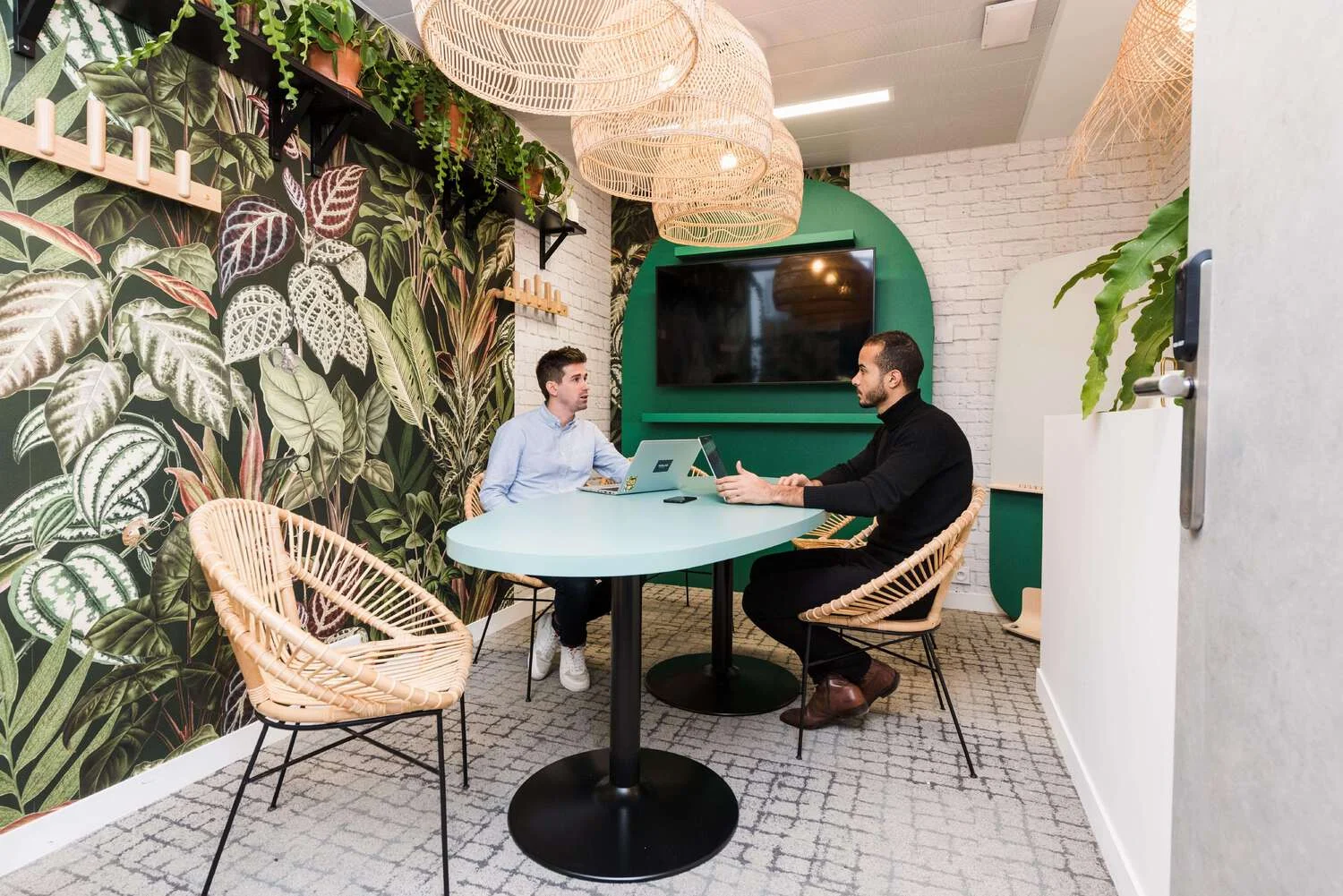
Several corporations around the world have begun the shift towards more sustainable business models. Certified B Corporations are a good example of this – they refer to businesses that meet the highest standards of verified social and environmental performance, public transparency and legal accountability. By balancing profit and purpose, these businesses work towards building a more inclusive and sustainable economy.
The original article highlighted B Corp certification as one approach to social and environmental responsibility. Check the scope and current status of any certification directly before using it to compare businesses.