
First published during the COVID-19 emergency in 2020, this guide now focuses on preparing remote work during disruption. It does not prescribe infection-control measures or imply that moving a team to coworking makes it safe. Follow current local health advice and workplace requirements.
Decide what can continue remotely
List essential activities, their owners and dependencies. Identify tasks that require access to a physical site and arrange a fallback. Confirm working locations, availability and escalation contacts with each employee; do not assume everyone has a suitable home office.
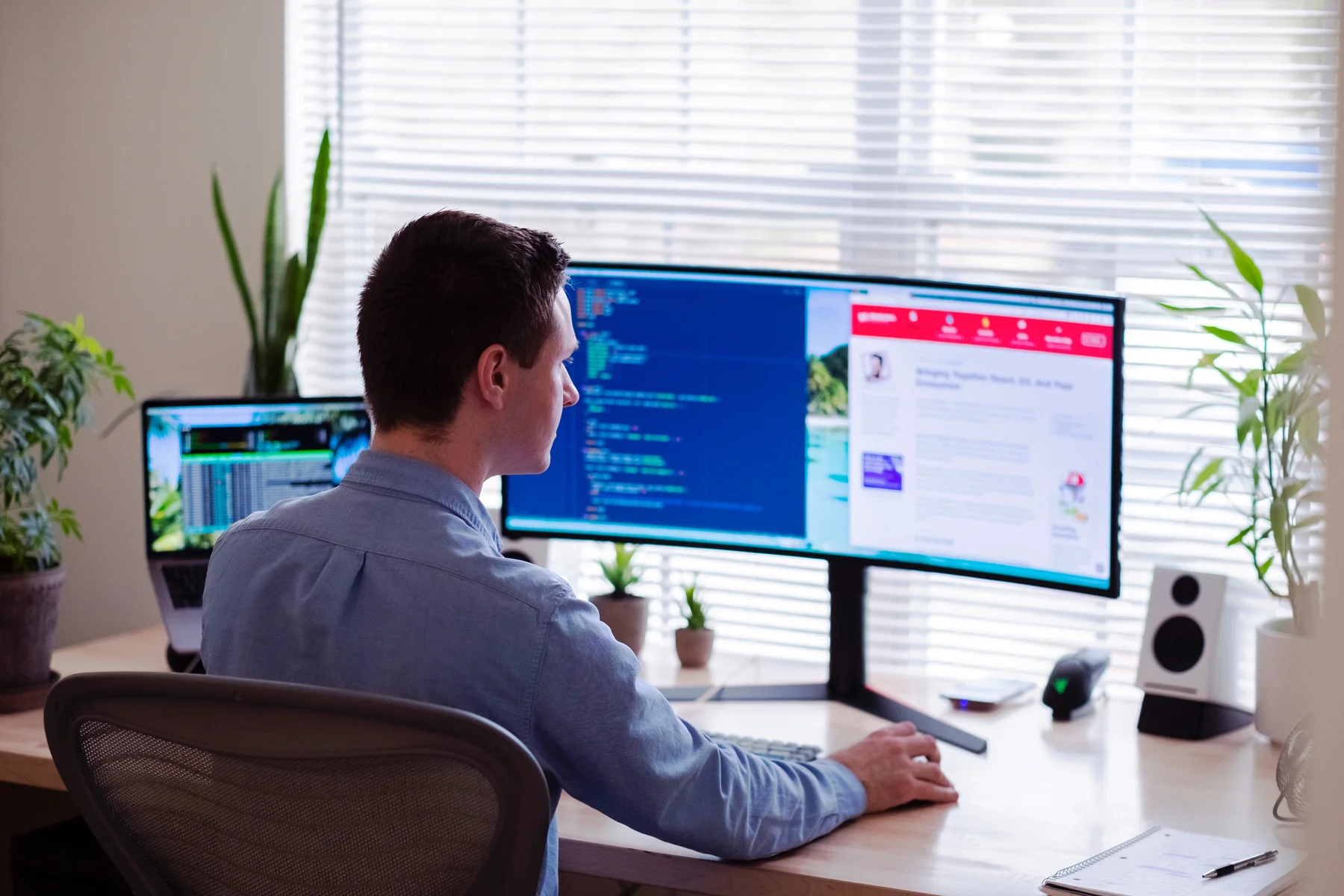
Check equipment and access
Before a disruption, test a normal working day with the actual device, connection and approved applications. Check account access, multifactor authentication, document permissions and a support contact. Discuss seating, screen position and equipment needs with the employee.
Agree how the team communicates
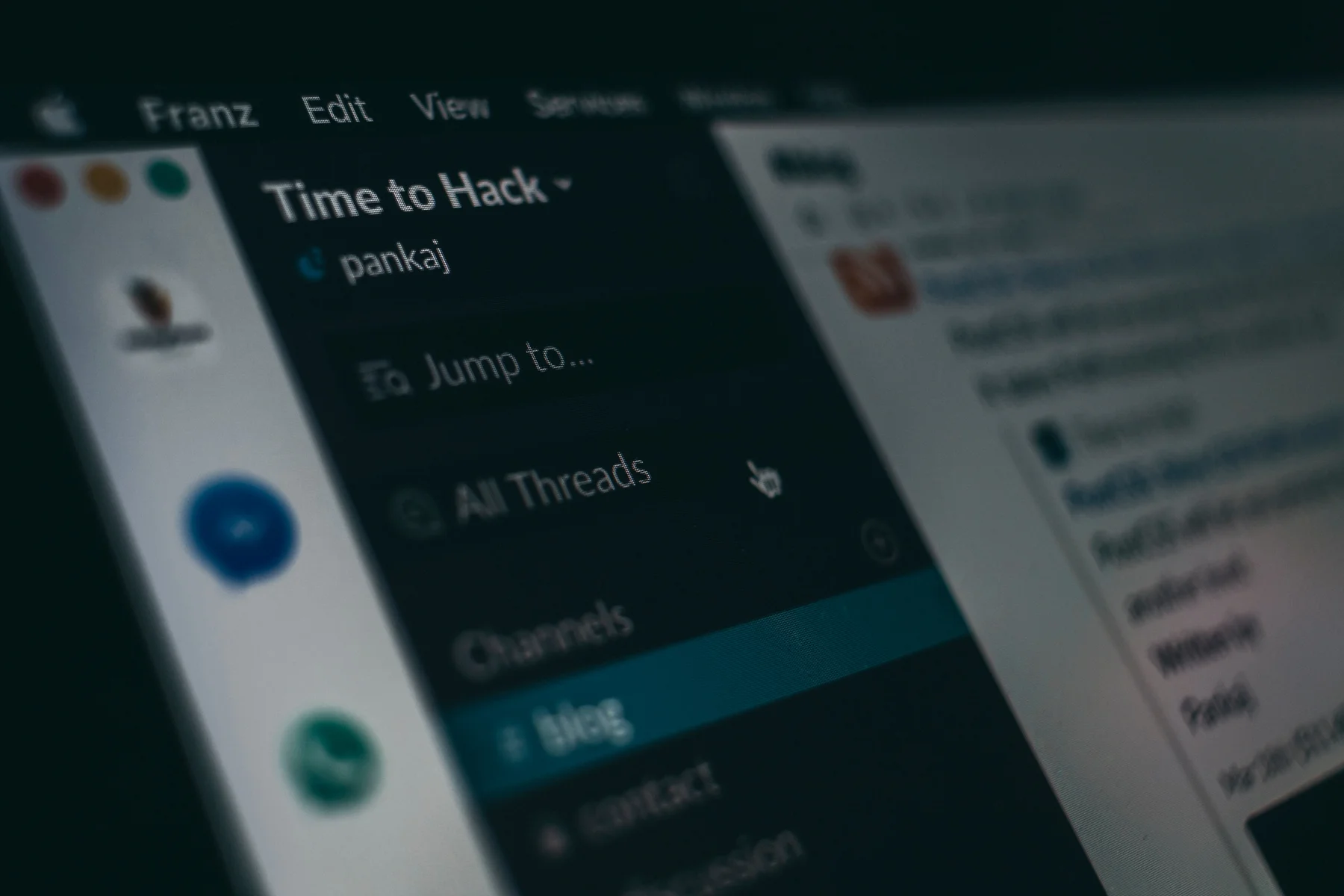
Choose where decisions, files and task updates are recorded. Set reasonable response expectations and a separate route for urgent issues. Use meetings where discussion helps; send a written summary so absent colleagues can follow. Recording is a separate decision requiring appropriate permissions, settings and notice, not an automatic feature to assume.
Review workload and maintain contact
Agree deliverables and review progress alongside workload, quality and obstacles. A fast response or long online presence is not a productivity measure. Plan breaks and availability boundaries, offer individual check-ins, and make social activities optional.

Test the fallback and revise it
Run a short exercise covering an unavailable colleague, lost connectivity and inaccessible files. Record who decides priorities and how work resumes. A second workplace is an operational option to assess, not a health guarantee. Review the plan after an exercise or incident and update contacts and access.
Sources and historical context: ILO · 2020 · WHO